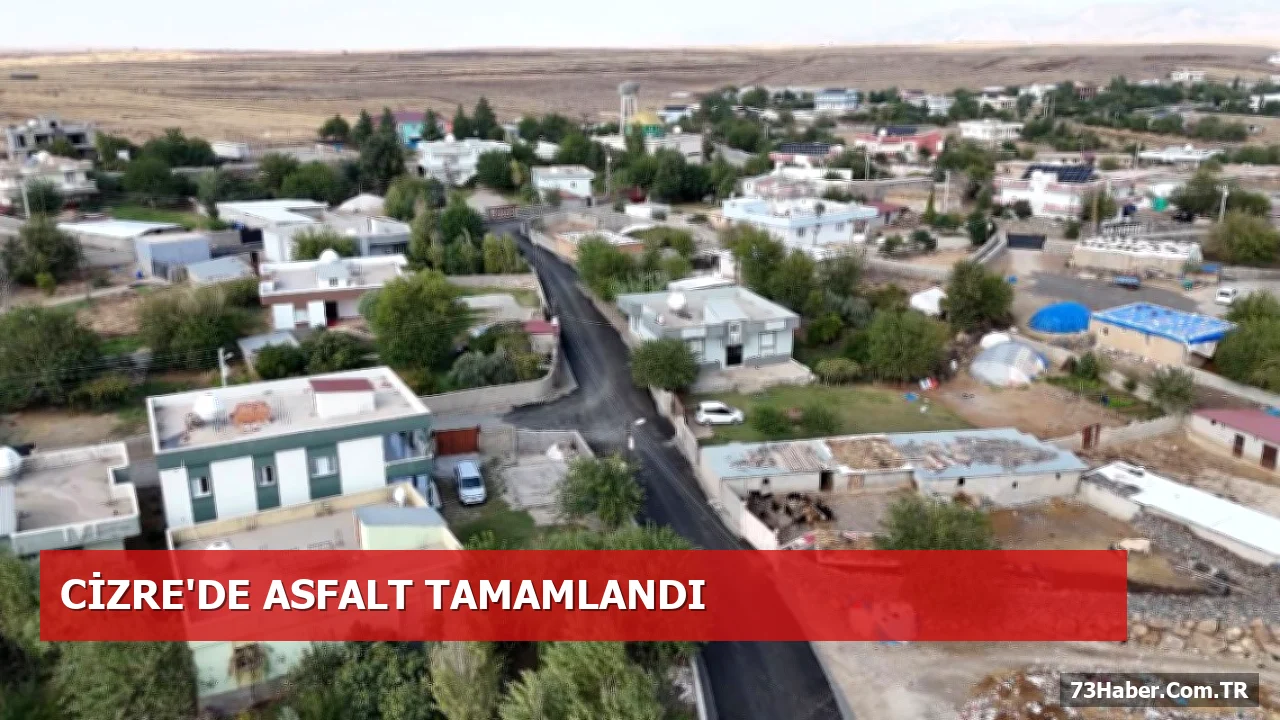
Cizre Kaymakamlığı, Şırnak İl Özel İdaresi'nin 2026 yatırım programı çerçevesinde ilçeye bağlı köylerde asfalt çalışmalarını tamamladığını duyurdu. Toplam 28 kilometre BSK asfalt serimi gerçekleştirildi ve proje 300 milyon TL yatırım bütçesiyle yürütüldü. Yeni asfalt, köylerde yaşayan vatandaşların daha güvenli ve konforlu bir ulaşım imkânı elde etmesini amaçlıyor.
Kırsal bölgelerde yol altyapısı, tarım ürünlerinin pazara ulaşması ve acil hizmetlerin sağlanması açısından kritik bir rol oynar. Asfalt kaplı yollar, yağışlı havalarda kayma riskini azaltarak güvenliği artırır ve taşıma maliyetlerini düşürür.
Yolun uzun vadeli bakımı, sürdürülebilir bir ulaşım ağı oluşturmanın temel unsurlarından biridir. Periyodik denetimler ve onarım çalışmaları, yolun güvenliğini ve işlevselliğini korur. Bakım süreçlerinde yerel iş gücünün istihdam edilmesi, bölge ekonomisine ek katkı sağlar. Ayrıca, bakım faaliyetlerinin planlı ve düzenli yürütülmesi, beklenmedik kapanışların önüne geçerek ulaşım kesintilerini azaltır. Bu bakım stratejileri, yolun ömrünü uzatarak yatırımın verimliliğini artırır.
Rural road initiatives often act as catalysts for broader economic diversification beyond traditional agriculture. By providing reliable access routes, they enable the establishment of small enterprises such as local workshops, retail outlets, and service stations that cater to both residents and passing travelers. The increased movement of goods and people stimulates market competition, encouraging efficiency and innovation among local producers. Moreover, the presence of improved transportation infrastructure attracts external investors who seek opportunities in emerging markets, thereby creating a virtuous cycle of job creation and income generation. Consequently, the overall economic resilience of the community is strengthened, reducing dependence on a single sector and fostering sustainable growth.
Enhanced connectivity through rural road networks contributes significantly to social cohesion and cultural exchange. When villages become more easily reachable, residents gain greater opportunities to participate in regional festivals, educational programs, and communal events that were previously limited by distance. This increased interaction promotes mutual understanding and shared identity among neighboring settlements, reinforcing social bonds and collective responsibility. Access to cultural institutions and recreational facilities also improves the quality of life, encouraging younger generations to remain in their hometowns rather than migrating to urban centers. In this way, transportation improvements serve as a bridge linking diverse communities while preserving local traditions.
The design and construction of rural roads increasingly incorporate environmentally conscious practices to mitigate ecological disruption. Engineers prioritize the use of locally sourced, renewable materials that reduce carbon footprints and support regional economies. Drainage systems are carefully planned to prevent soil erosion and protect nearby water bodies from sedimentation, preserving aquatic habitats and maintaining water quality. Vegetation buffers and wildlife crossings are integrated into the roadway layout to facilitate safe animal movement and reduce vehicle-wildlife collisions. Such sustainable approaches ensure that infrastructural development aligns with environmental stewardship and long-term ecological balance.
Modern construction techniques for rural road projects emphasize durability and adaptability to varying terrain conditions. Flexible pavement structures are employed to accommodate fluctuations in ground stability, while geotechnical assessments guide the selection of appropriate foundation layers. Advanced compaction equipment ensures uniform density, enhancing load-bearing capacity and extending service life. In addition, modular construction components allow for efficient assembly and future upgrades without extensive disruption to existing traffic. These methodological advancements contribute to the creation of resilient transportation corridors capable of withstanding climatic and geological challenges.












 YusufBal



Henüz yorum yapılmamış. İlk yorumu sen yap!